RECLAIM YOUR NUTRIENTS.
RECLAIM YOUR SOIL HEALTH.
RECLAIM YOUR BOTTOM LINE.

RECLAIM IS THE NAME, PATHOGEN LOAD REDUCTION IS THE GAME.
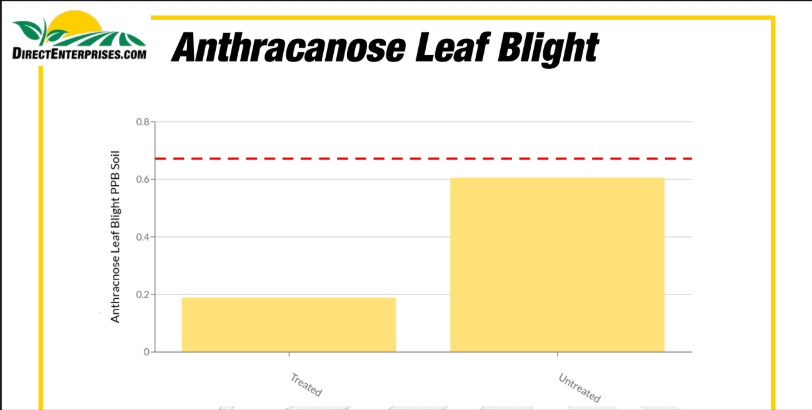
Graph showing anthracnose leaf blight severity in treated versus untreated soil with higher levels in untreated soil
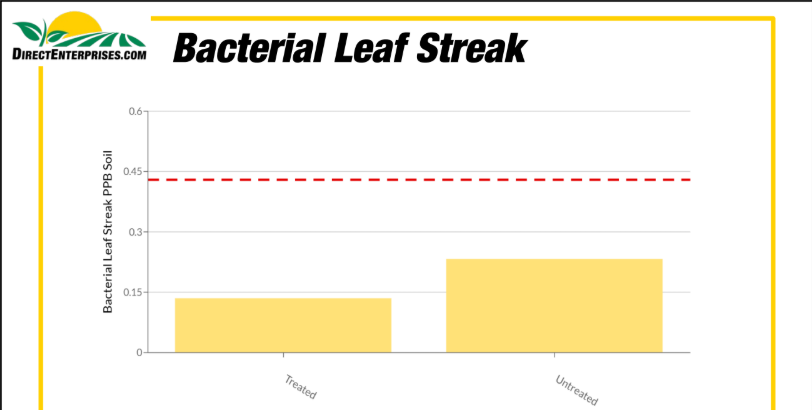
Bar graph comparing bacterial leaf streak levels in treated and untreated plants, with untreated showing higher levels, from DirectEnterprises.com.
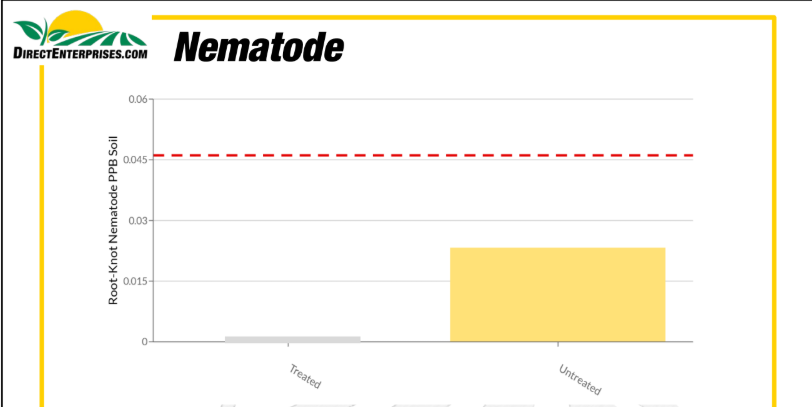
Bar graph showing root-knot nematode PPB in soil, with untreated soil having higher levels than treated soil. The graph is labeled 'Nematode' and includes a red dashed line indicating a threshold level.
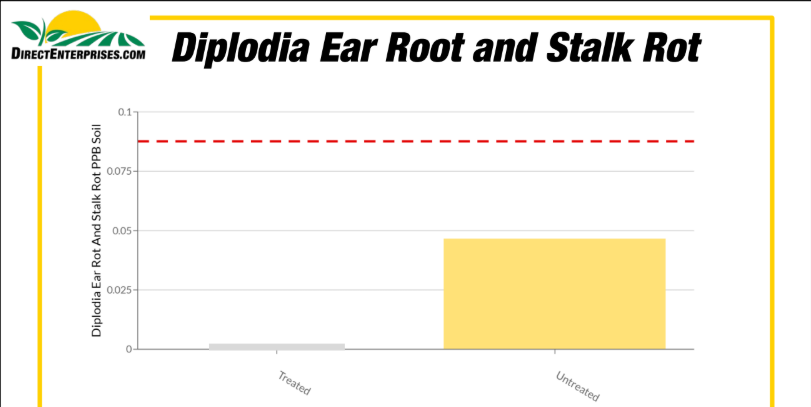
Bar chart comparing Diplodia Ear Root and Stalk Rot PpBP Soli levels in treated versus untreated samples. The untreated sample shows a higher level, while the treated sample shows nearly none.
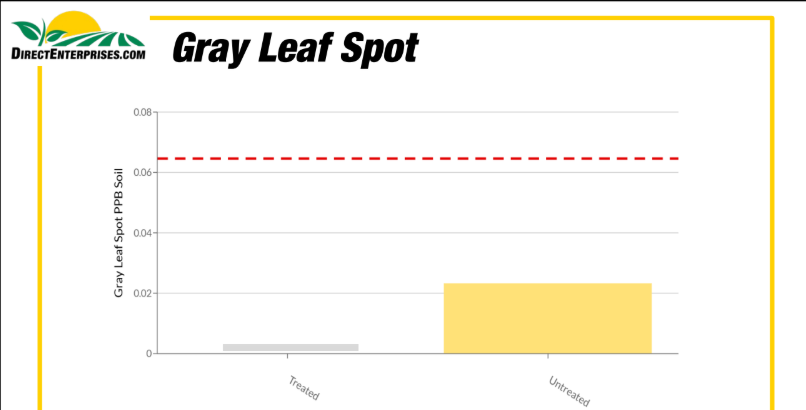
Bar graph comparing gray leaf spot levels in treated and untreated soil samples, with untreated showing higher levels. The graph is titled 'Gray Leaf Spot' and is from DirectEnterprises.com.
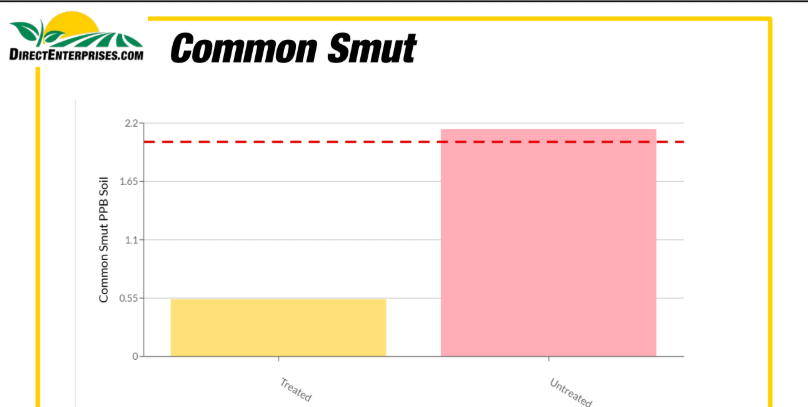
Bar chart comparing Common Smut PPB Soil levels in treated and untreated soil, with untreated soil showing higher levels.
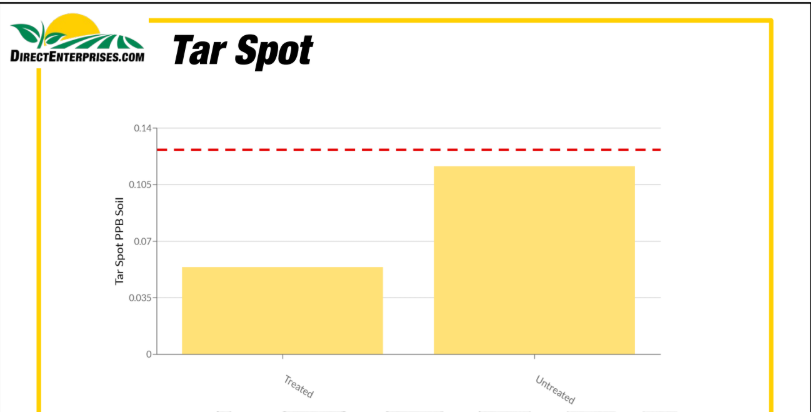
Bar chart titled 'Tar Spot' showing Treated and Untreated soil samples with untreated having a higher tar spot PBB soil level, marked by a red dashed line near 0.14.

THE PERFECT STAND STARTS WITH RECLAIM.

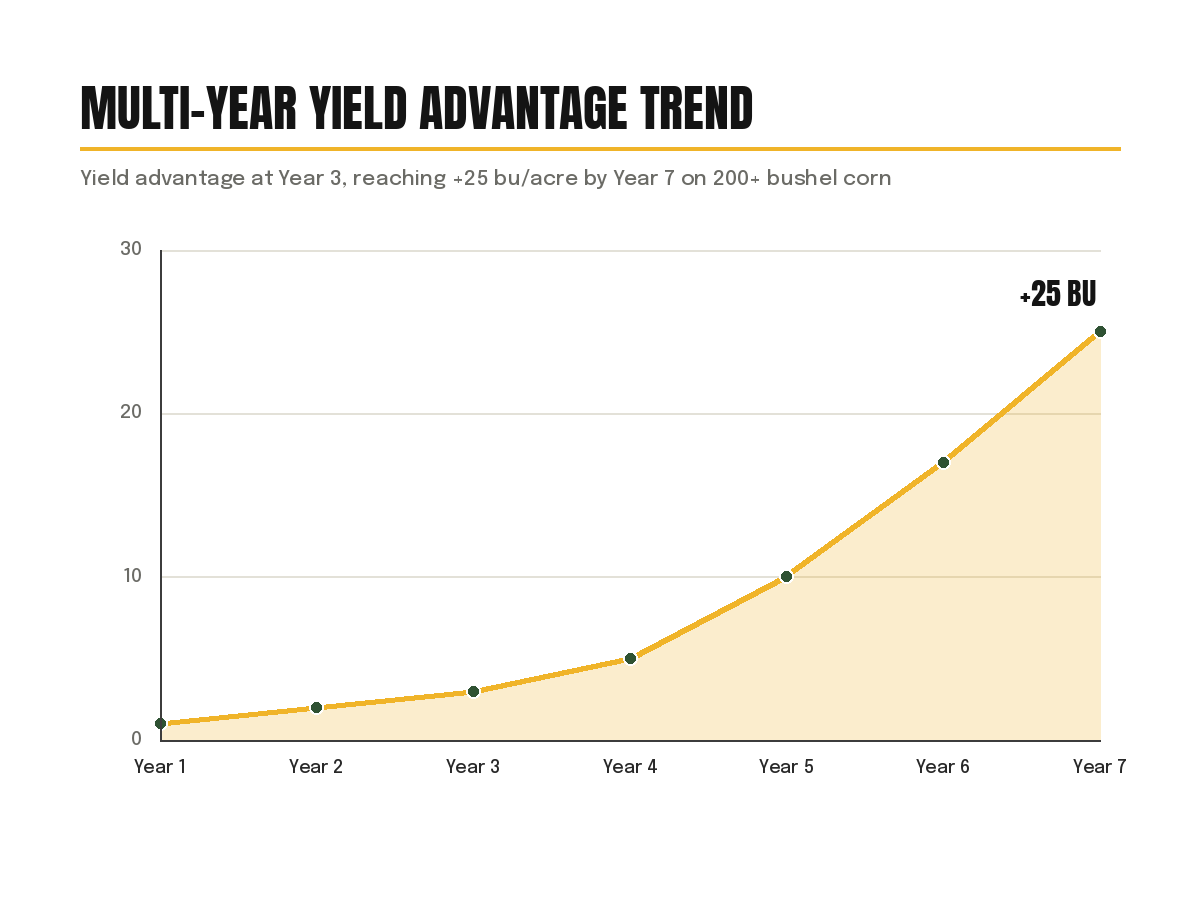
  • The yield gap widens the longer you stay on Reclaim.

    Reclaim isn't a one-season bump; it's a compounding advantage. Yield gains show up as early as Year 3 and climb to a 25 bu/acre advantage by Year 7 on 200+ bushel corn. For growers weighing a new input against an established program, that's the case for looking past this year's check strip to what four or five more years on Reclaim actually builds.

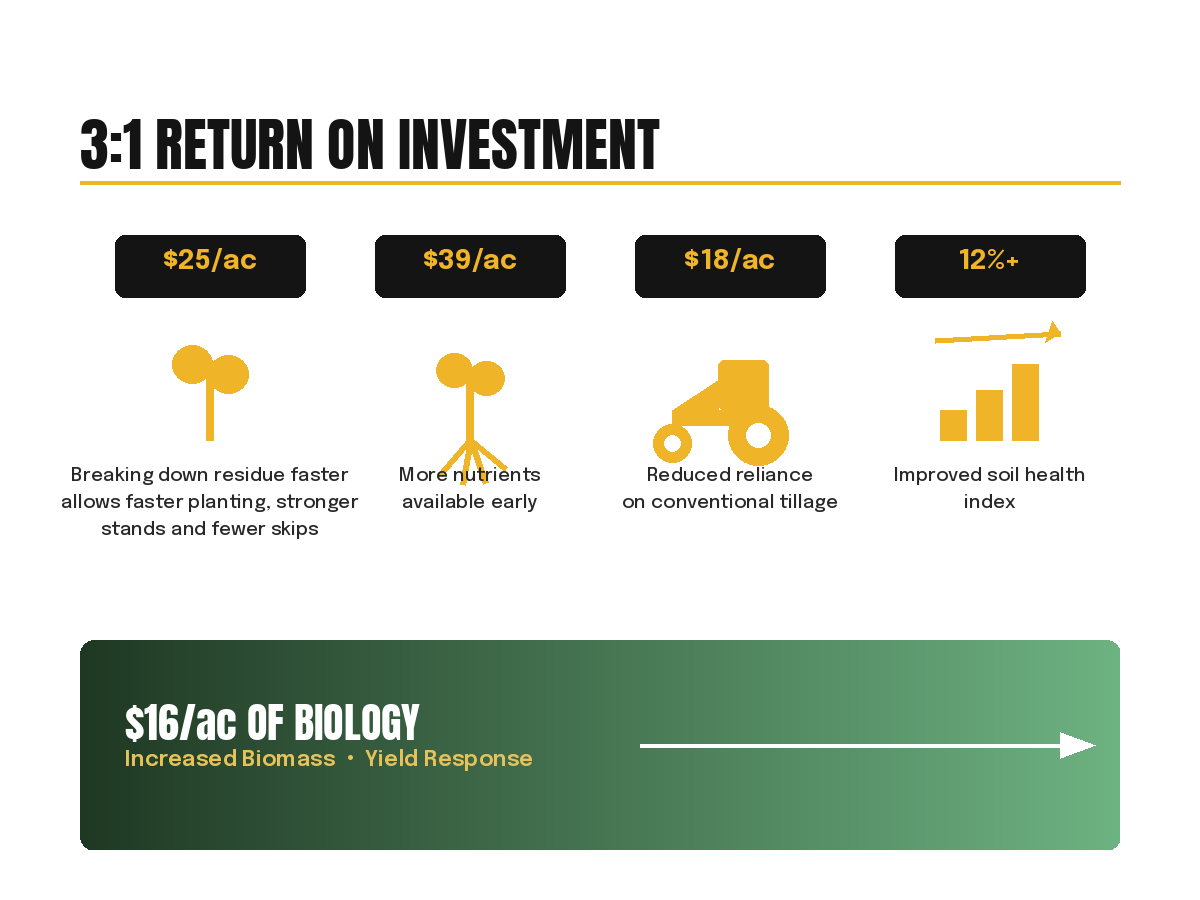
  • Every dollar spent on Reclaim comes back three-fold.

    At roughly $16/acre, Reclaim pays for itself several times over: $25/ac from faster planting and stronger stands, $39/ac from earlier nutrient availability, $18/ac from reduced tillage passes, and a 12%+ lift in soil health index. It's not one mechanism doing the work; it's four measurable savings stacking into a single, defensible ROI number.

  • DNA-level proof, tracked over four years.

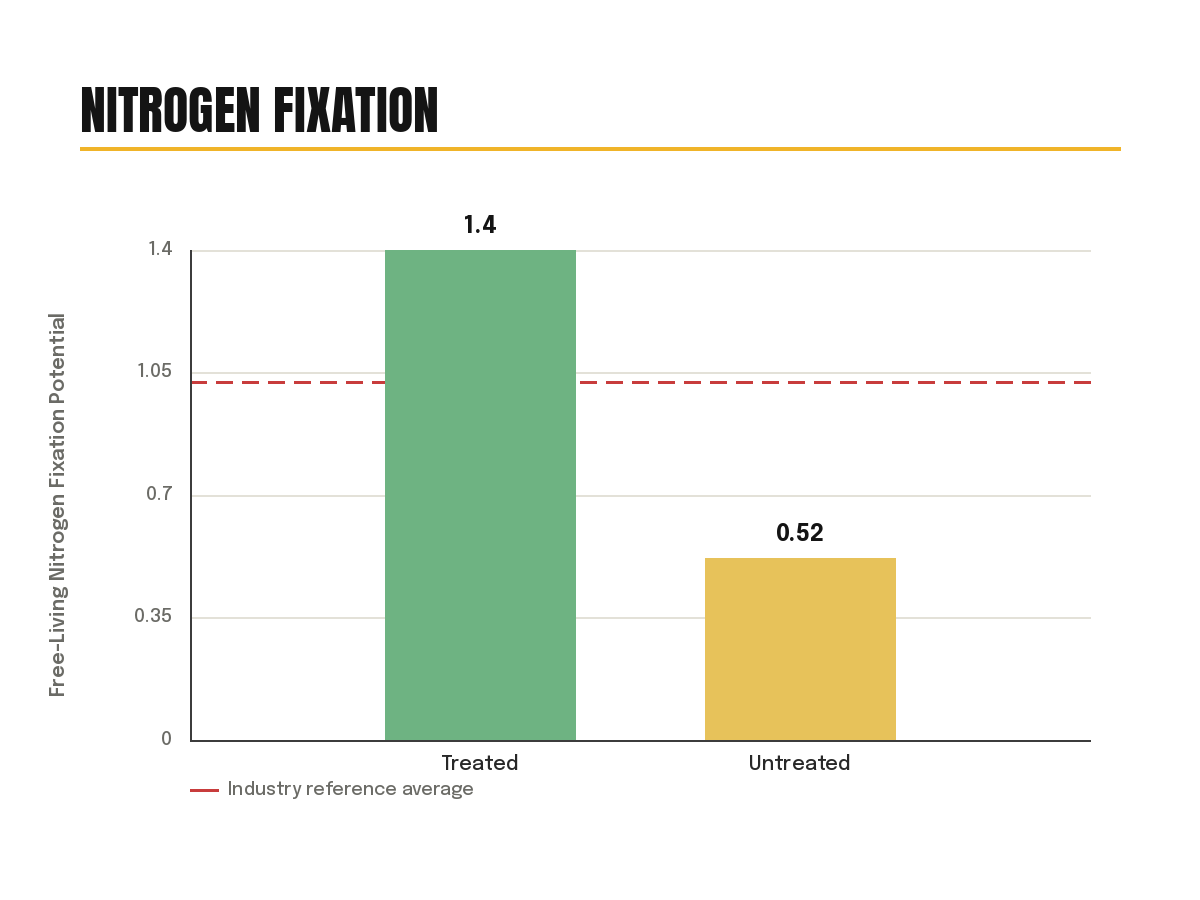
    Direct Enterprises ran soil DNA testing across four years comparing Reclaim-treated ground to untreated ground, measuring nutrient cycling, nitrogen fixation, and pathogen load side by side. The data shows Reclaim-treated soil consistently outperforming untreated soil across nearly every category tested.
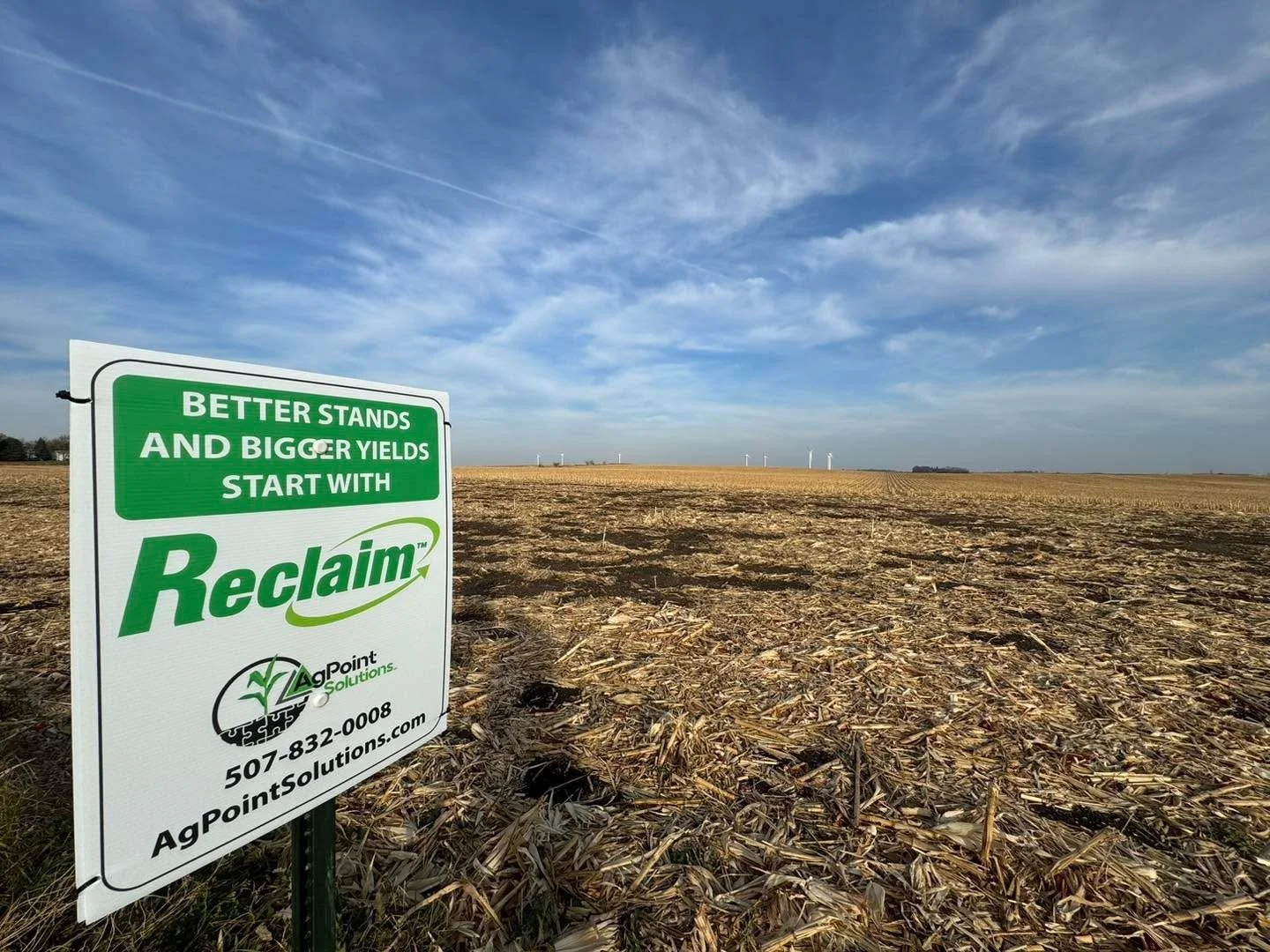
A Reclaim crop residue breakdown and nutrient release biological sign in a harvested corn field with wind turbines in the distance under a partly cloudy sky.
A 2.5-gallon white plastic container of Reclaim, a crop residue decomposition and nutrient booster, with green and black text, and the Direct Enterprises logo at the bottom right.

 READY FOR THE NEXT STEP?
Let’s Get Started.